October 9, 2026
Two garden beds can look similar from a distance and require very different amounts of mulch. One may be wider than it appears, while another already has enough material beneath its weathered surface to need only a light replenishment. A useful estimate accounts for the actual coverage area and the depth of new material needed.
Planning mulch supplies around those details makes an order more closely match the landscape. It also gives homeowners and their landscaping professionals a clearer basis for discussing material choices and delivery. The starting point is the bed itself, followed by the relationship between surface area, depth, and volume.
Define the Area That Needs Coverage
Bed dimensions describe the space mulch will cover, rather than the amount of material required. A rectangular bed measuring 10 feet by 20 feet has an area of 200 square feet. That figure becomes useful when paired with a planned depth, because surface area alone cannot establish an order quantity.
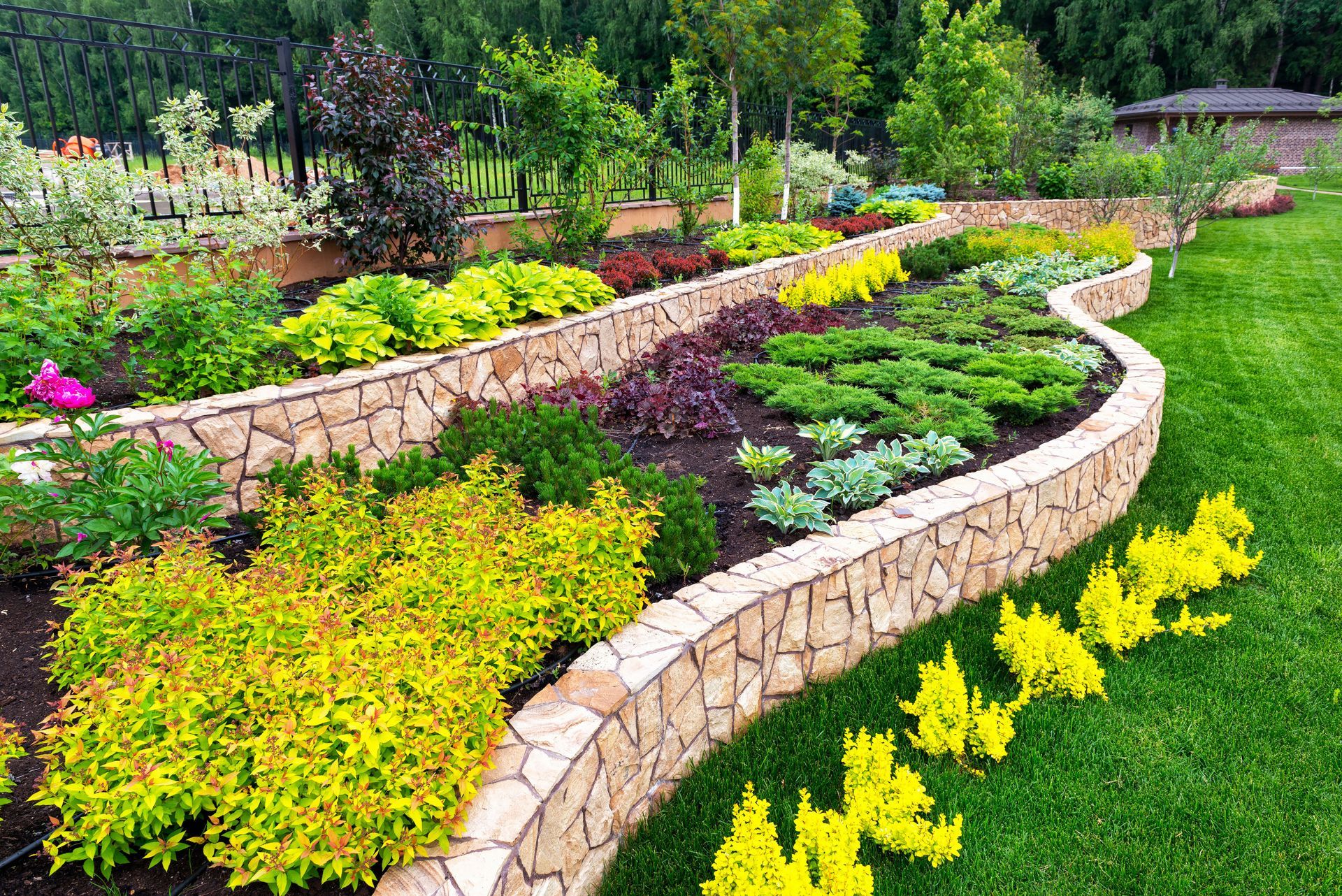
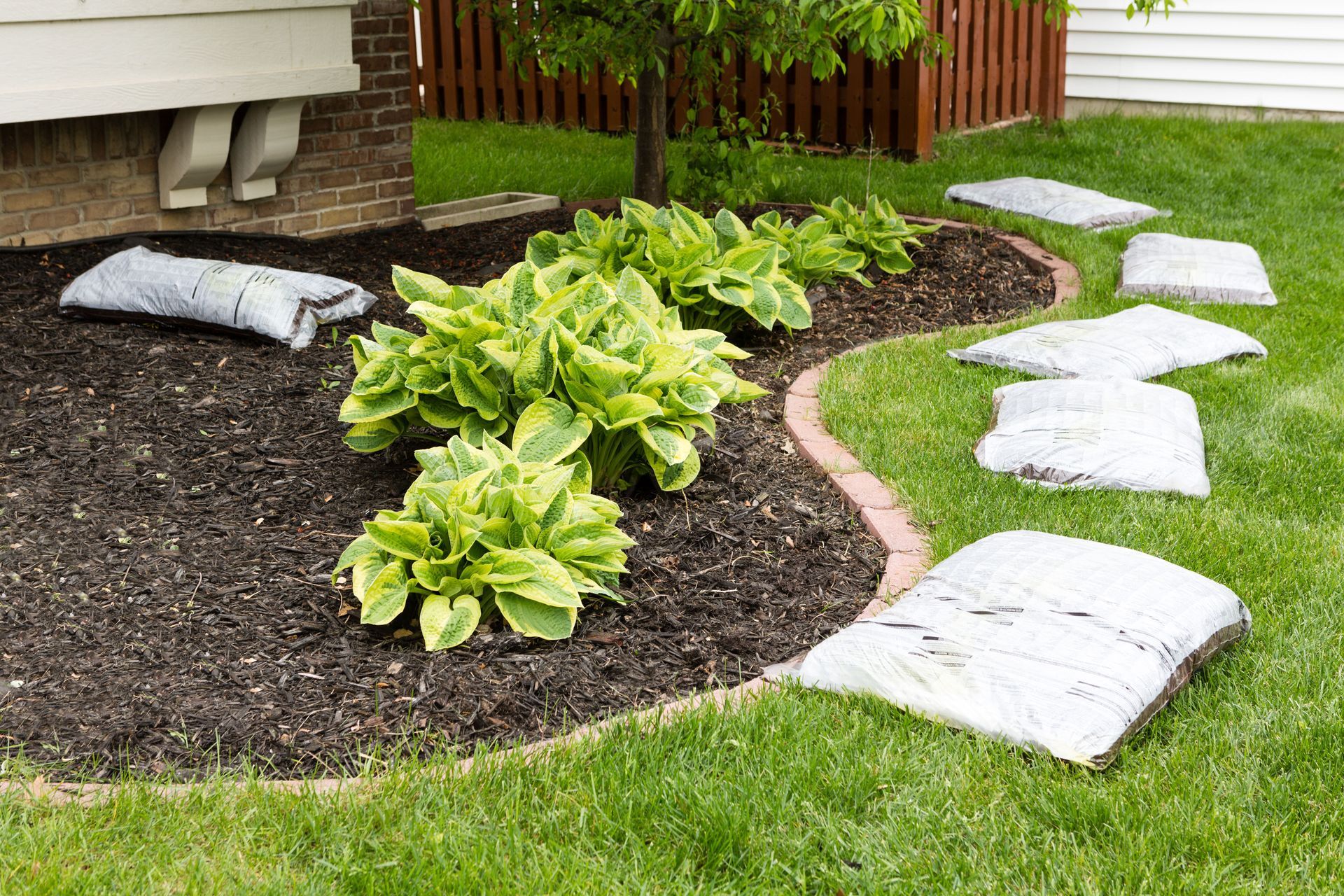
Curved borders require a different approach to estimating area. A landscaper may divide an irregular bed into smaller shapes whose areas can be calculated and added together. Treating the entire bed as one large rectangle can include lawn, paving, or other spaces that will not receive mulch, making the resulting order larger than necessary.
Permanent features matter as well. A broad stepping-stone path or a sizable decorative feature may occupy part of the outlined bed. The estimate should reflect the portions that will actually receive coverage, with planting details assessed as part of the layout. When several beds are involved, separate area figures help keep the estimate traceable before their material needs are combined.
Match Depth to the Material and Setting
Depth determines how much material sits above each square foot of ground. A deeper layer requires a greater volume even when the bed's dimensions stay the same. The appropriate depth depends on the mulch's texture, the existing coverage, and the conditions around the planting area.
According to Real Simple, a layer approximately three to four inches deep is generally suitable, with a shallower covering for smaller, finer mulch and a deeper one for larger pieces. Texture therefore belongs in the quantity discussion from the beginning. An estimate based on one depth may need adjustment when the chosen material differs from what was originally considered.
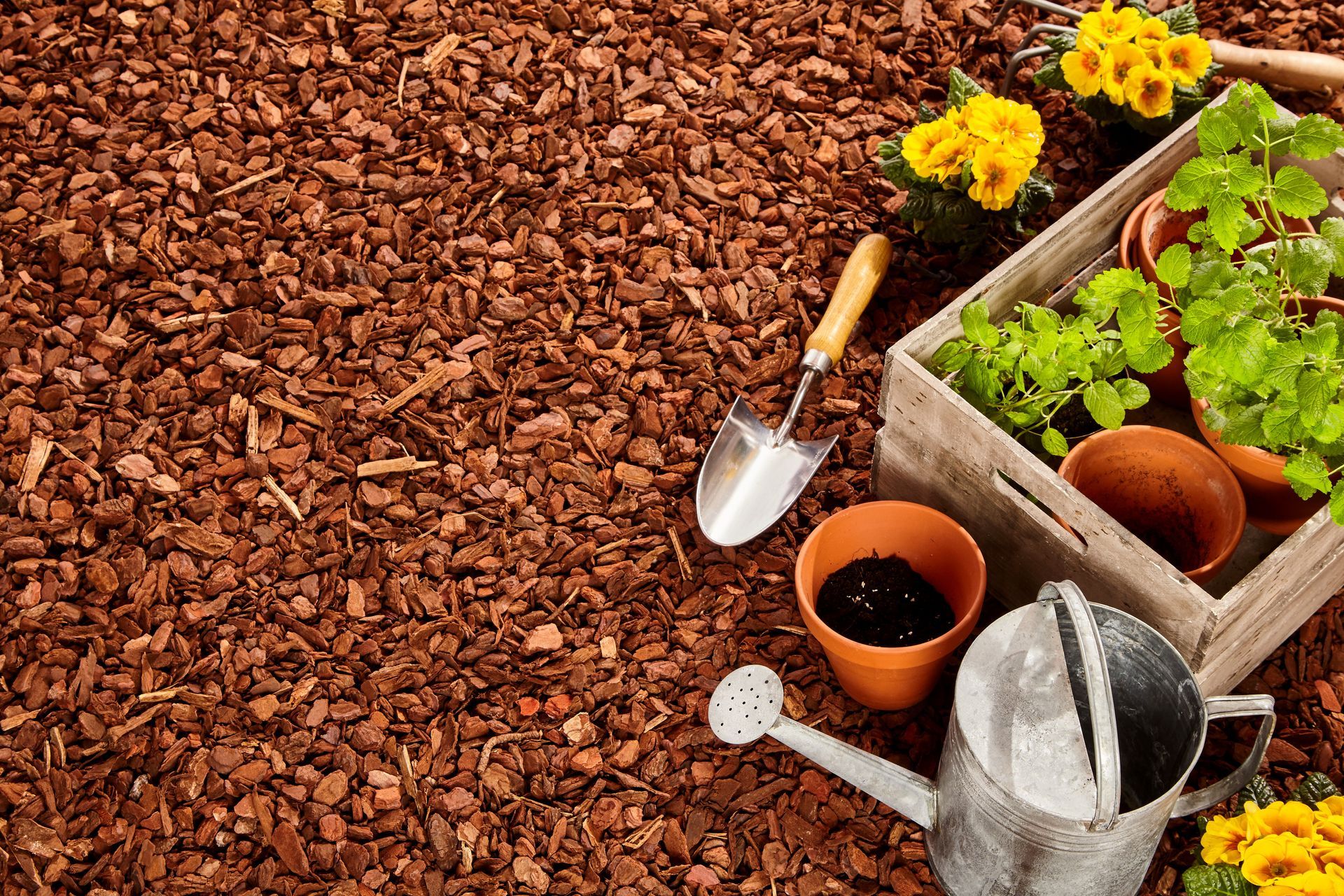
Shredded hardwood and pine bark mini nuggets offer different textures, so material selection and coverage depth should be discussed together. The goal is a suitable layer for the bed rather than the greatest thickness possible. Mulch supplies should support that planned coverage without encouraging excessive buildup around plants. A landscaping professional can assess the planting conditions, while a supplier can explain the characteristics of the available materials.
Convert Surface Area Into an Order Quantity
Bulk mulch is commonly discussed in cubic yards, a measure of volume. One cubic yard contains 27 cubic feet, while depth measurements for garden beds are often expressed in inches. Converting those units allows the area and planned depth to produce a usable quantity. At the same depth, doubling a bed's area doubles the required volume.
For area measured in square feet and depth measured in inches, the calculation is area multiplied by depth, divided by 324. A 600-square-foot area with a planned three-inch layer requires approximately 5.56 cubic yards. The same area at four inches requires approximately 7.41 cubic yards, showing how much a seemingly small depth change affects the total.
At two inches deep, that same 600-square-foot bed would need approximately 3.70 cubic yards. Increasing the planned layer to three inches adds roughly 1.85 cubic yards, even though the bed itself has not changed. Keeping the depth estimate consistent is therefore essential when comparing quantity recommendations.
These figures illustrate volume rather than recommend a depth for every bed. Once the intended layer has been established, mulch supplies can be discussed in the supplier's ordering units. Keeping area, depth, and volume clearly identified helps prevent an estimate in square feet from being mistaken for an amount in cubic yards.
Account for Mulch Already in Place
An established bed differs from bare ground because some of the intended coverage may already be present. Existing mulch can fade without disappearing completely, so surface color alone does not establish how much replacement material is needed. Its remaining depth and condition are more useful starting points for planning replenishment.
For example, a bed with two inches of suitable existing coverage may need only one additional inch to reach a planned total of three inches. Across 600 square feet, that added layer represents approximately 1.85 cubic yards. Ordering a full three-inch layer for the same bed would overlook the material already in place and substantially increase the finished depth.
Existing coverage is rarely perfectly even. Some sections may retain a deeper layer, while exposed areas require more attention. A landscaping professional's assessment can help distinguish the total desired depth from the additional depth needed. That distinction keeps mulch supplies tied to the condition of the bed instead of treating every replenishment project as a new installation on bare soil.
Separate Beds With Different Requirements
A property may contain several planting areas with different dimensions, existing coverage, or planned materials. Combining all their square footage under one assumed depth can hide those differences. Separate estimates give each area the attention needed before the quantities are totaled.
A new 200-square-foot bed planned for three inches of mulch requires approximately 1.85 cubic yards. An established 400-square-foot bed needing one additional inch requires approximately 1.23 cubic yards. Together, their calculated requirement is about 3.09 cubic yards, even though their combined area is 600 square feet. The combined figure is rounded after adding the unrounded volumes.
Applying a three-inch calculation to that entire combined area would produce approximately 5.56 cubic yards instead. The difference comes from treating two distinct coverage needs as though they were identical. Grouping beds by material and added depth helps mulch supplies match the actual plan. It also allows quantities for different mulch types to remain separate, which is useful when a property uses one finish near the house and another in other planting areas.
Connect the Estimate With Delivery Planning
The calculated volume gives an order a sound basis, but the supplier's quantity increments also matter. A mathematical result such as 3.09 cubic yards may need discussion before an order is finalized. The supplier can explain how that estimate relates to the amounts available for purchase and delivery.
Material selection should remain clear when arranging mulch supplies for delivery. An order for shredded hardwood differs from one for designer mulch or pine bark mini nuggets, even when the calculated volume is identical. Identifying the chosen product alongside the required amount helps the delivery match the intended appearance and coverage.
Timing and placement deserve attention as well. Coordinating delivery with the planned landscaping work helps the material arrive when it can be used, while a suitable unloading location supports access to the beds. Questions about vehicle access or where bulk material can be deposited are best discussed before delivery. Bringing those details together makes the quantity estimate useful beyond the calculation, connecting it with the practical arrangements for receiving the order.
An accurate mulch estimate reflects the property as it is, including the coverage already present and the differences between planting areas. The resulting quantity gives the homeowner, landscaper, and supplier a shared starting point for arranging the material needed. At The Mulch Yard, we offer bulk mulch supplies and guidance on material types and quantities, along with delivery. Contact us to discuss an order suited to your beds and planned coverage depth.