August 10, 2026
Enhancing your landscape with high-quality organic mulch provides immediate aesthetic appeal while delivering vital biological benefits to garden beds, mature trees, and flowering shrubs. Applying fresh mulch transforms tired-looking outdoor areas, creating clean lines and rich colors that showcase vibrant foliage. Beyond visual improvements, a fresh ground layer performs critical functions, such as suppressing competitive weeds, regulating subterranean temperatures, and preserving soil moisture during hot summer droughts. Landscapers recognize that seasonal application shields delicate root systems against harsh weather changes while feeding beneficial microbes. Investing effort into renewing garden beds helps to enhance plant health, reduces routine maintenance, and elevates overall property value.
Retaining Vital Moisture Through Soil Coverage
Conserving water remains essential for cultivating thriving outdoor gardens, especially during hot, dry summer months. Spreadable wood chips or shredded bark act as protective blankets over topsoil, significantly slowing evaporation rates caused by intense direct sunlight and wind exposure. By trapping ambient moisture underneath, roots enjoy consistent hydration without requiring frequent artificial irrigation. This protective shield prevents topsoil from cracking and drying out, allowing delicate feeder roots to expand easily through nutrient-rich dirt. Gardeners notice reduced municipal water usage and healthier plant foliage when maintaining an adequate protective barrier, making seasonal application an efficient, eco-friendly strategy for every home landscape.
Suppressing Invasive Weeds With Natural Barriers
Unwanted weed growth competes constantly with cultivated plants for space, sunlight, and underground nutrients. Applying a thick organic protective layer of mulch blocks ambient sunlight from reaching dormant weed seeds buried within the topsoil, effectively preventing germination before unwanted shoots emerge. Any brave weeds that manage to sprout through the loose upper layer develop weak root systems, making manual removal remarkably quick and effortless. Suppressing invasive weeds naturally eliminates the need for harsh chemical herbicides that might harm beneficial soil organisms or surrounding plants. Homeowners save countless hours of tedious weeding while maintaining pristine, manicured garden beds throughout the growing season.
Regulating Ground Temperatures From Thermal Extremes
Fluctuating ambient temperatures cause severe stress to delicate plant root systems during unpredictable seasonal changes. A generous top layer of mulch functions as natural thermal insulation, keeping dirt significantly cooler during scorching summer days and noticeably warmer during chilly autumn nights. This thermal stability protects sensitive feeder roots from thermal shock, allowing plants to focus energy on producing vibrant flowers and foliage. In late autumn, insulation prevents premature freezing and thawing cycles that heave young plants out of the ground. Maintaining consistent underground temperatures fosters ideal growing conditions year-round, ensuring resilient plants bounce back vigorously every spring.
Enriching Nutrient Content Through Organic Decomposition
As time passes, natural wood covers gradually break down thanks to beneficial earthworms, fungi, and subterranean microbes. This slow decomposition process continuously releases essential organic matter directly into the surrounding soil profile, improving overall soil structure and fertility. Microorganisms thrive within this sheltered microenvironment, actively converting complex nutrients into readily available plant food. Richer soil retains vital minerals more effectively, reducing reliance on synthetic fertilizers that leach away during heavy rainfall. Over multiple seasons, continuous breakdown transforms clay or sandy dirt into dark, friable topsoil, creating a sustainable ecosystem where ornamentals, vegetables, and trees flourish naturally.
Preventing Soil Erosion From Heavy Rainfall
Heavy rainstorms rapidly wash away valuable topsoil, exposing sensitive roots and creating unsightly channels across sloped garden beds. Spreading protective wood covers absorbs the direct kinetic energy of falling raindrops, breaking their force before moisture strikes loose earth below. The porous material allows rainwater to infiltrate gently into the ground rather than collecting and running off across surface pathways. This protective cushioning prevents soil compaction caused by torrential downpours, maintaining open pore spaces required for root respiration. By locking soil particles firmly in place, property owners prevent costly erosion damage, retaining healthy topsoil profiles across all landscape beds.
Enhancing Aesthetic Appeal Through Fresh Application
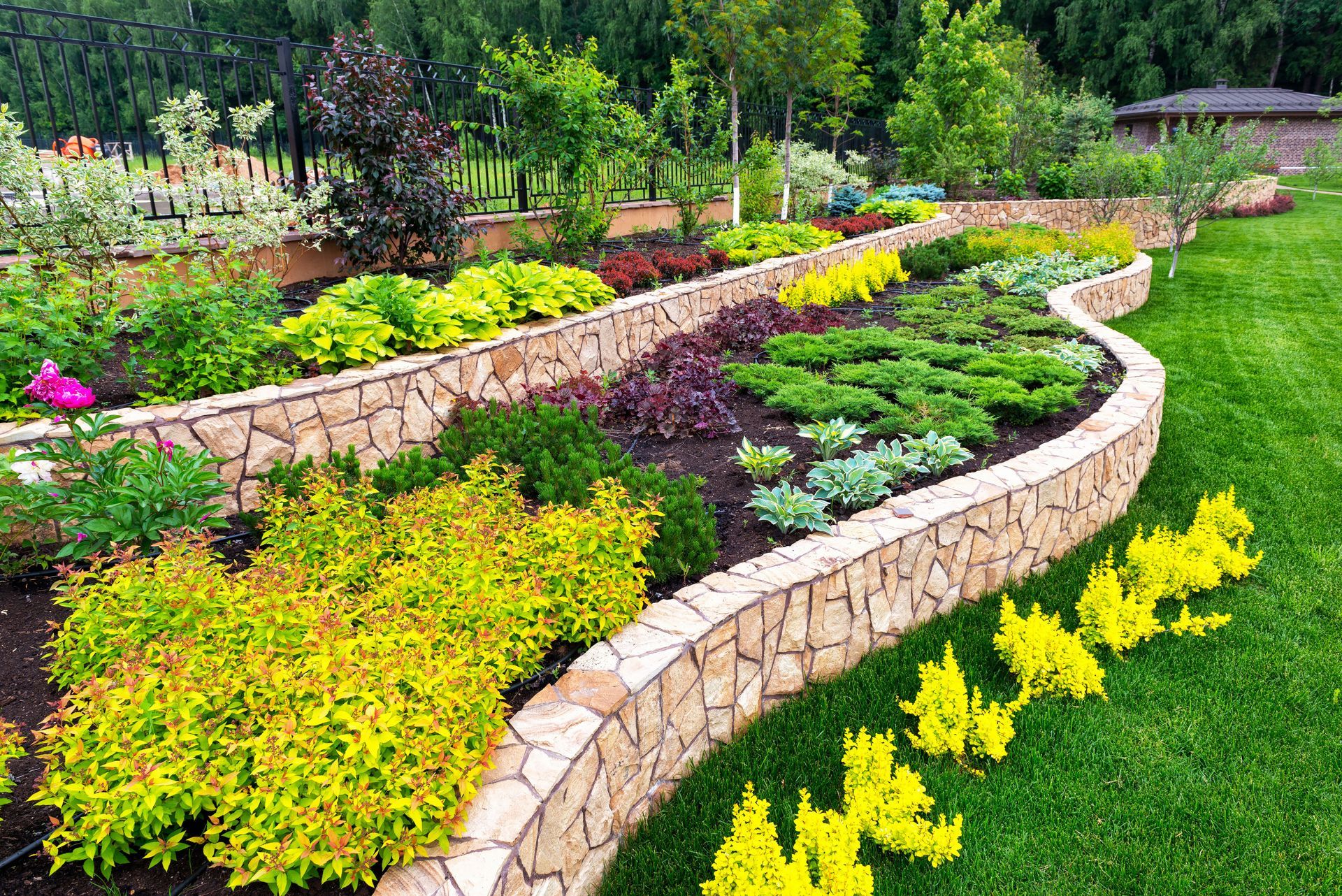
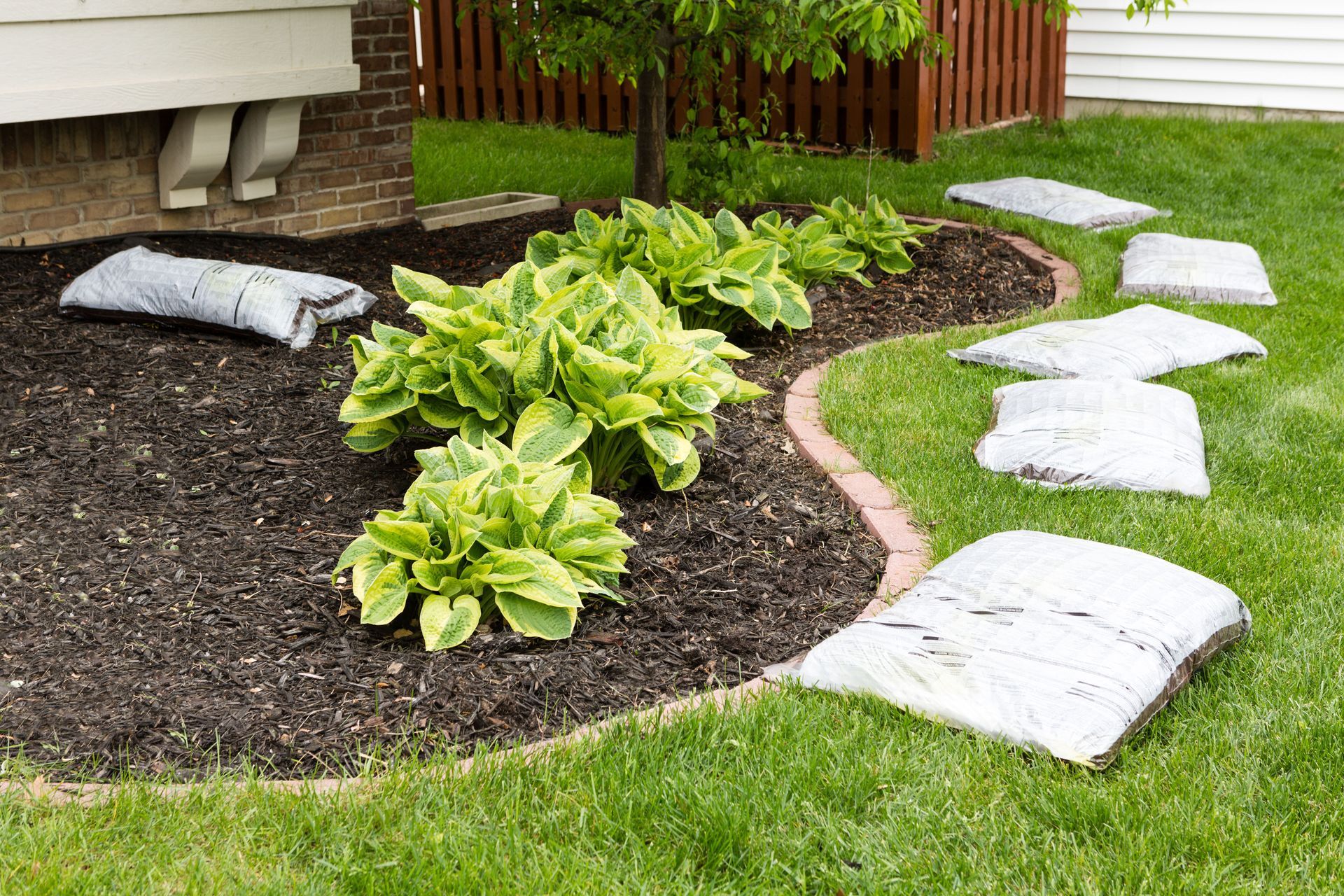
Visual transformations occur immediately whenever fresh landscape materials, such as mulch, are evenly distributed across residential garden spaces. Dark brown, rich black, or warm red bark materials create striking color contrasts against bright green foliage, colorful perennials, and flowering shrubs. Neat borders define clean separation lines between lush green lawns and cultivated garden beds, instantly boosting overall curb appeal. Beyond color enhancement, a fresh top layer conceals exposed irrigation tubing, uneven terrain, and fading organic debris. Property owners looking to refresh their home exterior can achieve an instantly polished, professional appearance that elevates property value and creates inviting outdoor environments.
Preventing Plant Diseases From Fungal Spores
Fungal pathogens lurking in untreated dirt often infect healthy foliage when splashing rain bounces soil particles onto lower plant leaves. Applying clean ground cover acts as a physical barrier, preventing rainwater from splashing contaminated mud onto vulnerable foliage during storms. Keeping leaves clean and dry significantly reduces common fungal infections like powdery mildew, black spot, and leaf blight. Additionally, elevated air circulation through loose organic material discourages damp, stagnant conditions where disease thrives. By breaking the contact path between dirt and leaves, gardeners protect prized roses, vegetables, and perennials, promoting clean, disease-free foliage all season long.
Applying Materials Safely Around Delicate Trunks
Proper distribution techniques ensure that landscape beds receive maximum health benefits without inadvertently inducing trunk decay or pest infestations. Piling materials directly against bark traps excess moisture, creating damp environments where wood-boring insects, fungi, and rodents thrive. According to Real Simple, you want to keep mulch at least three inches from the base of your tree trunks, and also away from the stems of plants. Creating a shallow donut shape rather than a steep volcano shape allows air to circulate freely around root collars. Following proper spacing guidelines preserves plant health, ensuring long-term structural integrity for mature landscape specimens.
Attracting Beneficial Insects With Sheltered Environments
Healthy garden ecosystems rely heavily on beneficial insects, such as predatory beetles, spiders, and earthworms, to control harmful pests naturally. Spreading wood coverings creates dark, humid micro-habitats where these helpful organisms feed, shelter, and reproduce safely from predators. Earthworms thrive in these moist conditions, aerating dirt naturally through continuous burrowing while depositing nutrient-rich castings. Encouraging a diverse population of beneficial organisms reduces reliance on chemical pesticides, fostering natural biological pest management. Gardeners benefit from a self-sustaining environment where beneficial creatures work continuously beneath the surface, maintaining balanced soil food webs and healthy plant growth.
Selecting Proper Types for Specific Gardens
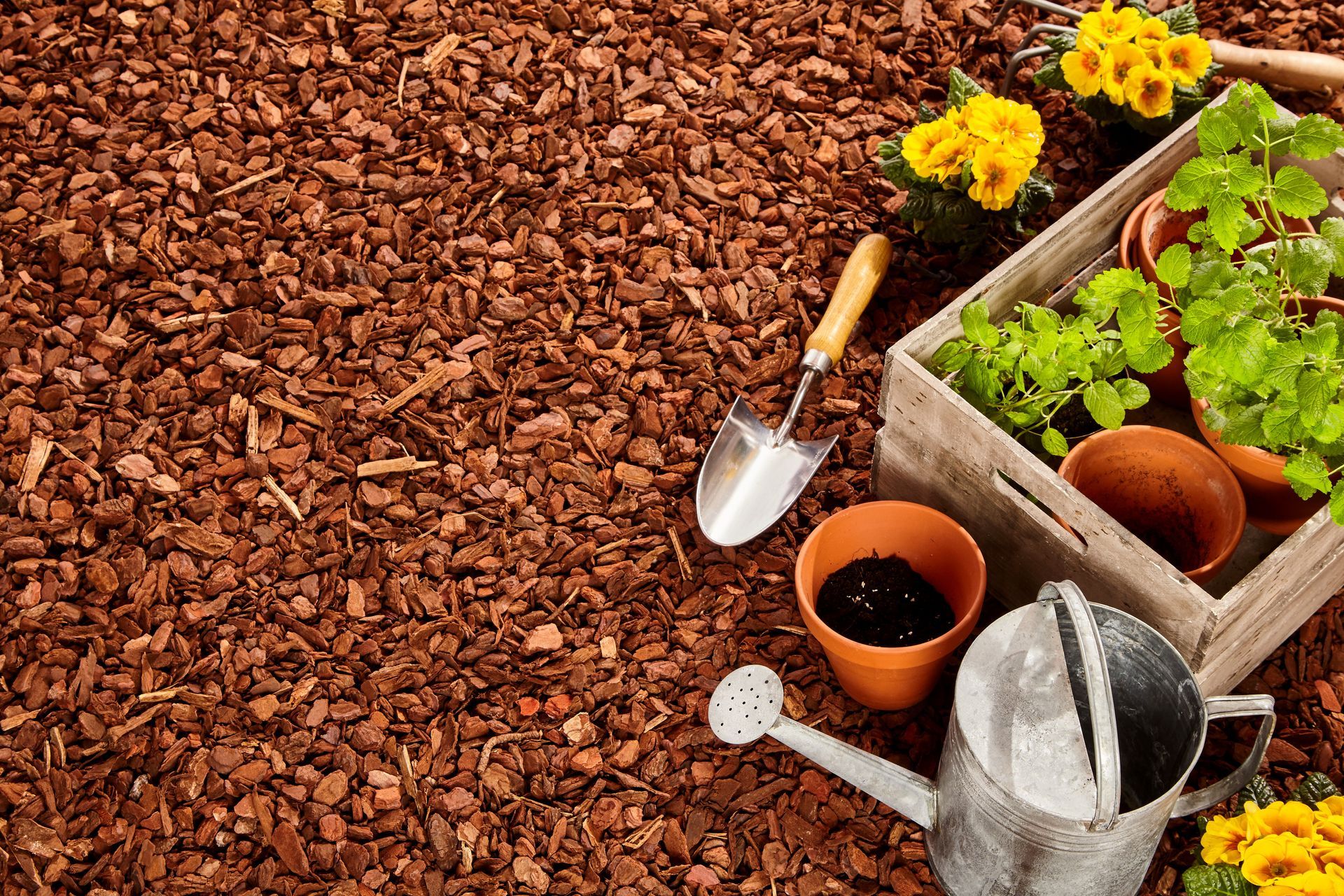
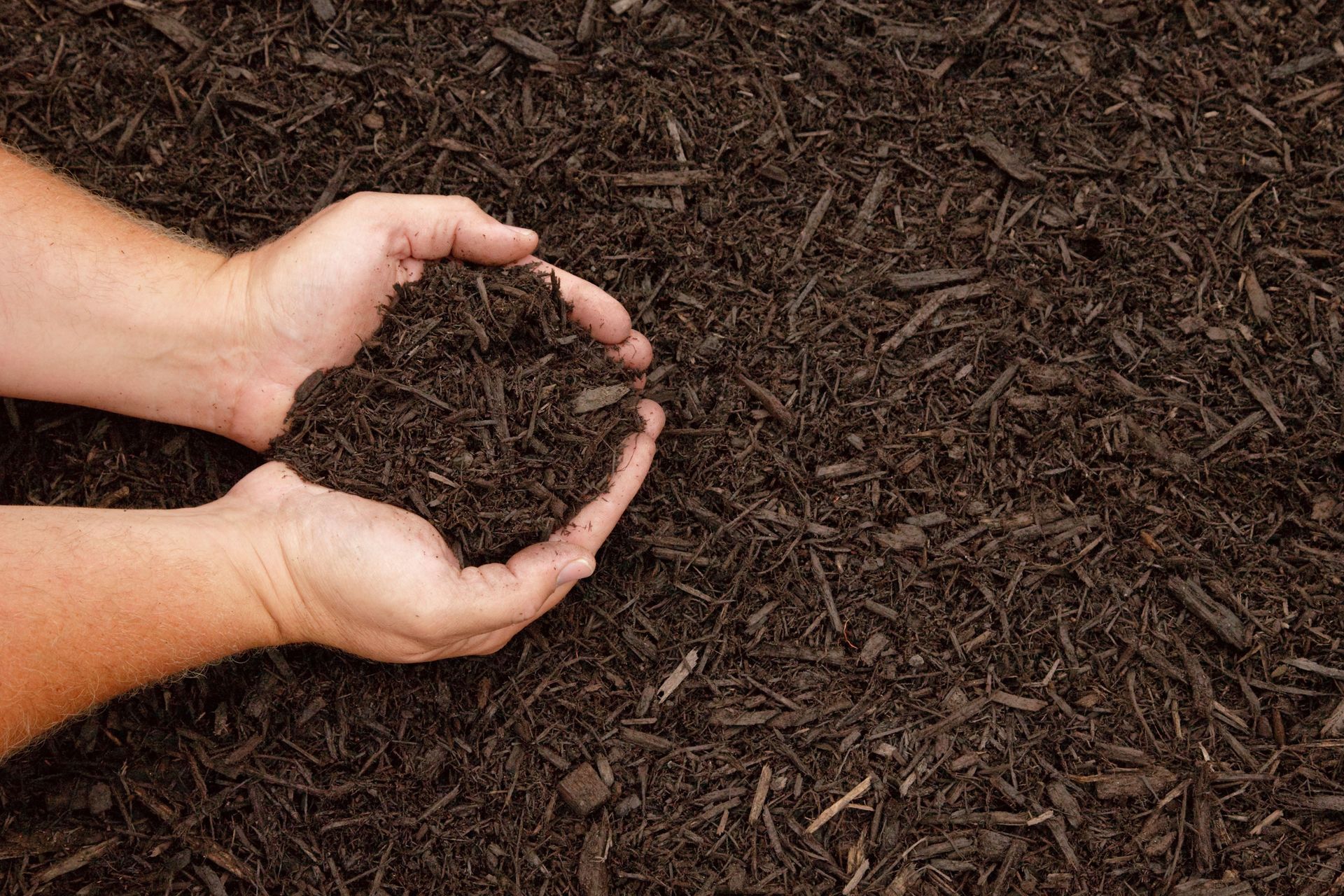
Choosing correct ground cover materials requires evaluating specific landscape needs, aesthetic preferences, and budget considerations. Bark nuggets, shredded hardwood, pine needles, and composted wood products each offer unique decomposition rates, texture appearances, and acidity levels. Fine materials decompose quickly, enriching soil rapidly, while large bark nuggets resist breakdown, providing longer-lasting surface coverage. Selecting appropriate textures for sloped areas prevents material from washing away during heavy rainstorms. Understanding specific properties enables gardeners to match materials accurately with specific plant requirements, maximizing both visual appeal and practical growing conditions across diverse garden zones throughout the property.
Managing Proper Depth for Optimum Growth
Maintaining appropriate layer thickness balances moisture retention with essential root aeration across all cultivated garden beds. Spreading a layer roughly two to three inches deep provides optimal insulation, weed suppression, and moisture retention without suffocating root systems underneath. Excessively thick applications prevent oxygen from reaching the dirt, causing root rot and preventing moisture penetration over time. Conversely, paper-thin applications fail to block sunlight, allowing invasive weeds to germinate freely while moisture evaporates rapidly. Checking layer depth annually allows homeowners to top off depleted areas accurately, maintaining ideal conditions that support robust plant development and vibrant seasonal bloom displays.
Consistently renewing garden beds every spring or autumn ensures long-term landscape vitality, enduring visual beauty, and thriving soil health. Seasonal top-offs replenish degraded organic matter, maintaining the proper layer depth required for continuous weed control and moisture conservation. Fresh applications restore rich colors lost to sun bleaching and weathering over winter months, instantly reviving property aesthetics. Integrating routine ground maintenance into seasonal lawn care regimens prevents long-term soil compaction, nutrient depletion, and pest vulnerabilities. Prioritizing consistent landscape care ensures your home investment remains vibrant, structural plantings stay healthy, and outdoor living areas provide lasting enjoyment for family members and visiting guests. Are you considering having fresh mulch installed for your home in the Smithfield, NC area? The experts at The Mulch Yard are ready to assist! Stop in or call today for more information.