Mulching Tips and Tricks to Maximize Your Home's Curb Appeal
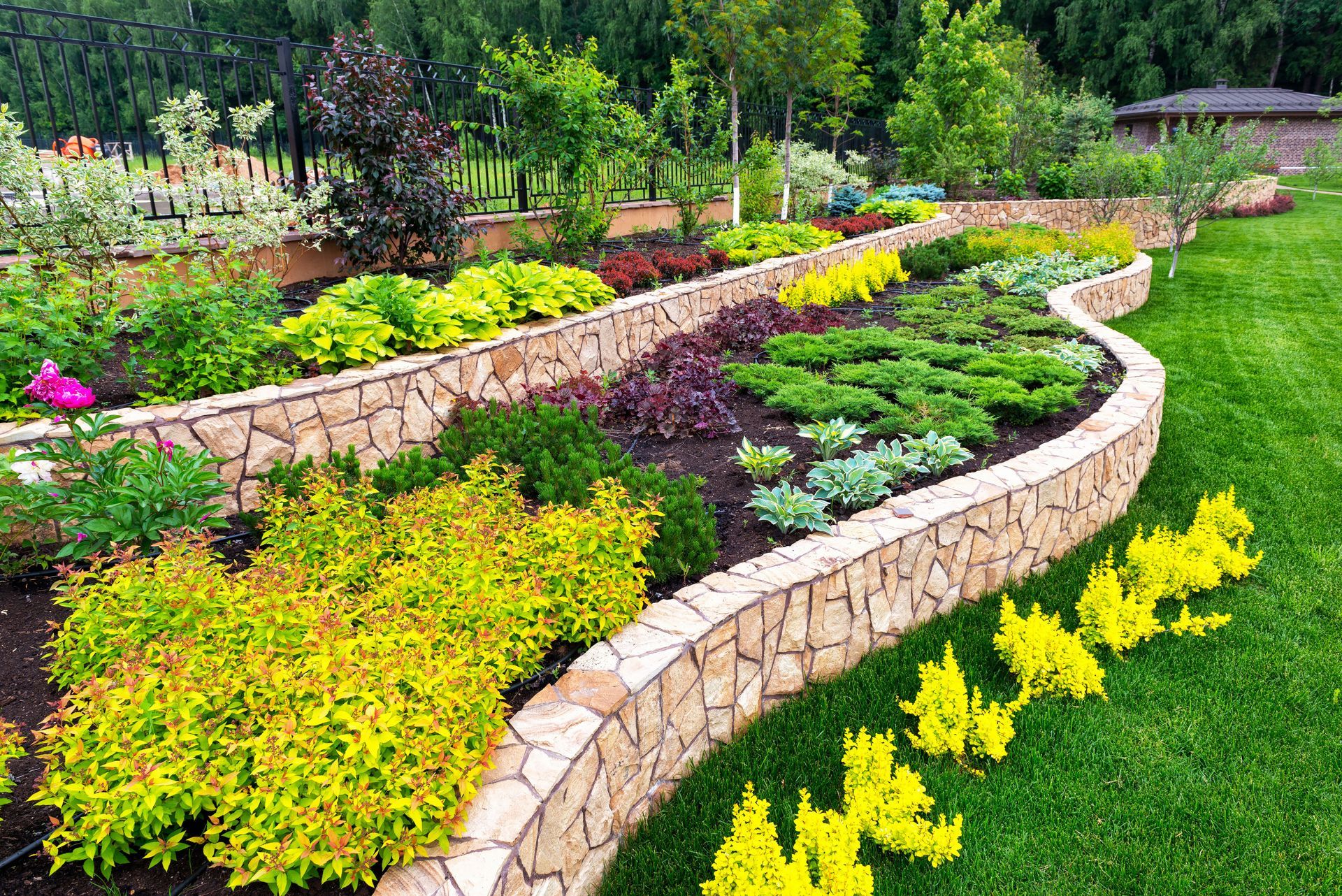
Mulching is an often overlooked but highly effective way to enhance your home's curb appeal. According to Home Guide, landscaping practices, including mulching, can increase home value by up to 30%. Investing in mulch supplies not only contributes to the value of your property, but also improves the health of your garden. This article explores comprehensive tips and tricks for using mulch to its maximum potential in improving the appearance and wellness of your outdoor spaces.
Understanding the Basics of Mulching
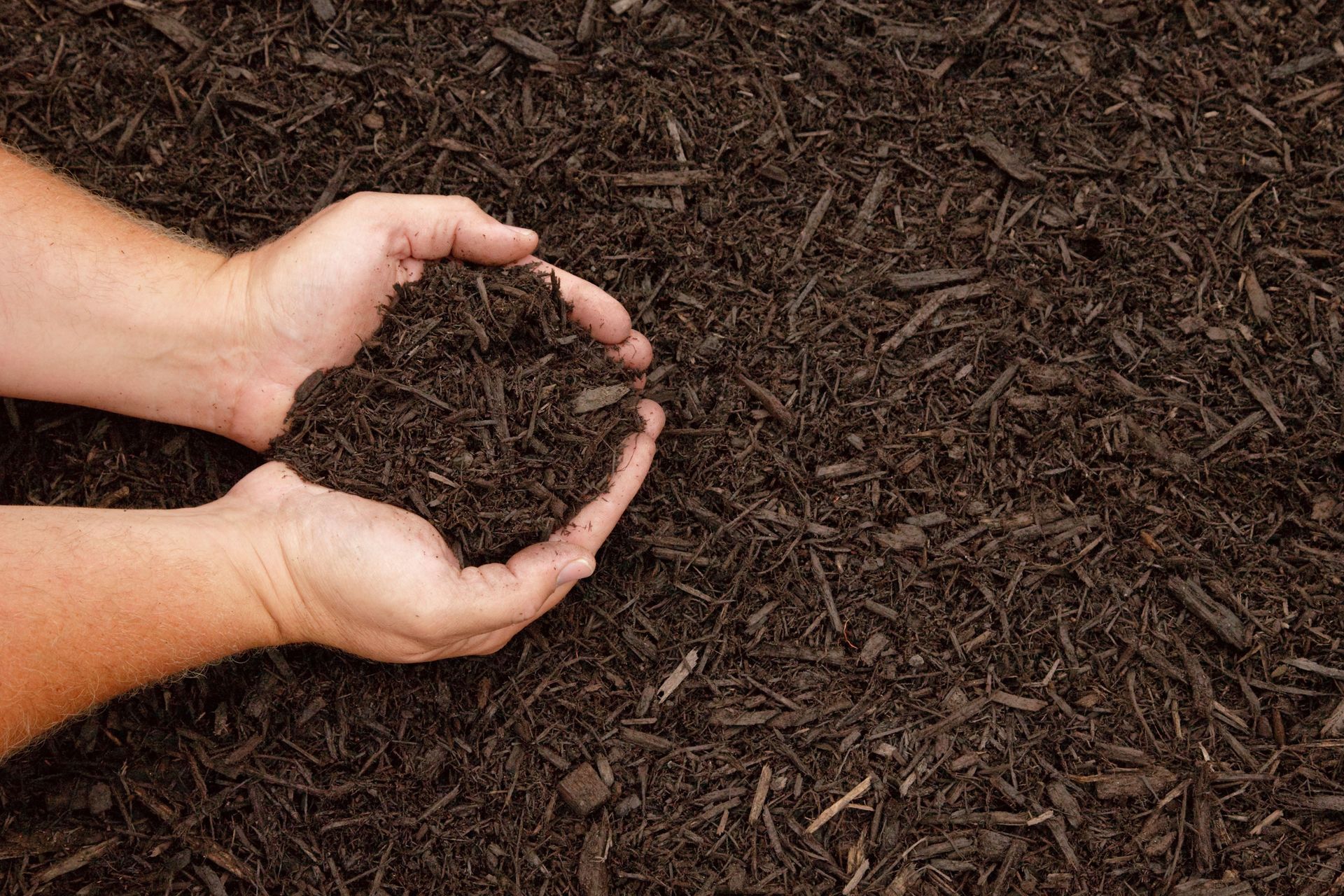
Mulch is a layer of material applied to the surface of soil that can be made from organic ingredients like bark, leaves, compost, or inorganic materials such as stone, plastic, and rubber. It acts as a protective layer, enhancing soil health and plant growth. Spread across garden beds, mulch serves as a natural barrier against the elements. Its primary components play a pivotal role in regulating soil temperature, conserving moisture, and suppressing weeds. Overall, mulch supplies enrich the garden ecosystem, making a noticeable aesthetic and functional impact.
Mulching offers several notable benefits, primarily in moisture retention and temperature control. By reducing evaporation, mulch maintains consistent soil moisture, which is essential for plant health and growth. It also acts as an insulator, warming in winter and cooling in summer, thus stabilizing the ground environment. Additionally, mulch significantly curtails weed growth by blocking sunlight and suppressing their seeds. These factors combined contribute to healthier gardens, reducing maintenance and improving curb appeal.
One crucial mistake gardeners often make is applying too much mulch, leading to issues like root suffocation and decay. Another common error is the 'volcano mulching' practice where mulch is piled against plant stems, causing rot and inviting pests. Neglecting to prepare the landscaping area properly before mulching can result in ineffective weed suppression. Additionally, using poor-quality or diseased mulch can introduce pathogens and pests into your garden. Avoiding these pitfalls is essential for maintaining a healthy and attractive landscape.
Selecting the Right Mulch for Your Landscape
Selecting mulch supplies that are tailored to plant type is vital for promoting their growth and immunity. Different plants have specific needs, such as acid-loving varieties thriving with pine needles. Conversely, vegetables may benefit from straw, enhancing moisture retention while allowing for adequate air circulation. The choice of mulch impacts nutrient supply, moisture levels, and pest control. Ensuring compatibility between plants and mulch type sets the stage for a healthy, flourishing garden.
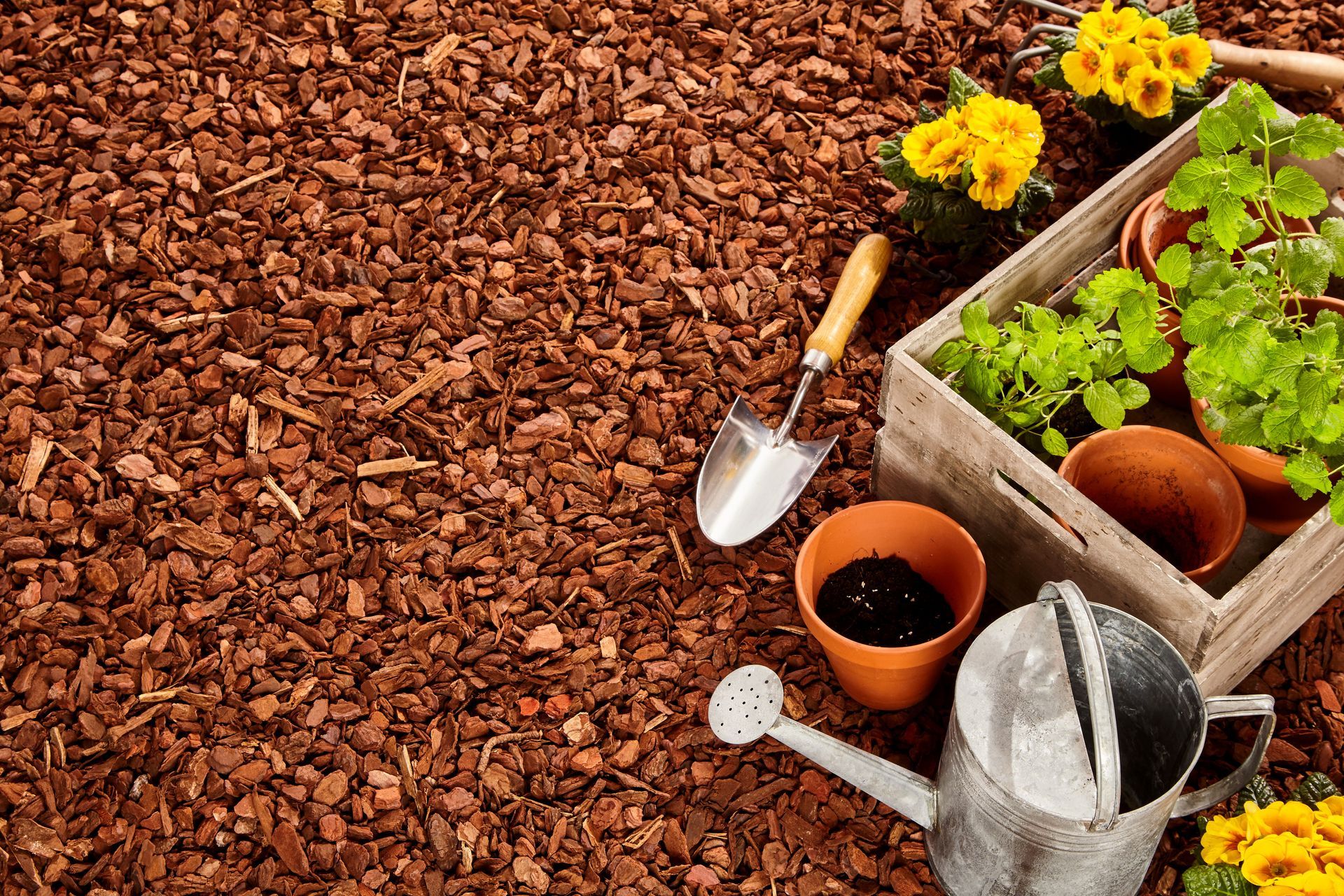
Mulch color plays a significant role in visual appeal, enhancing the overall landscape design. Rich earth tones like brown or black complement most garden color schemes, seamlessly blending with nature. However, using red mulch can add a bold contrast that accentuates green foliage and flowering plants. The choice should align with existing architectural and landscape themes to create harmony. Beyond aesthetics, certain colors may affect soil temperature differently, influencing plant growth.
Preparing Your Garden Before Mulching
Preparing your garden by eliminating weeds beforehand is crucial to maximize mulching benefits. Manual removal of weeds, including roots, prevents regrowth and reduces competition for resources. Using organic or chemical weed barriers can also enhance long-term suppression. It's advisable to conduct this process several days before mulching for best results. Failure to remove weeds effectively can lead to undesirable infestations, undermining the mulching efforts.
Soil preparation is an integral part of gardening, impacting plant vitality and thus the success of the chosen mulch supplies. A well-prepared garden bed encourages robust plant growth and nutrient uptake. Loosening the soil allows for better aeration and root penetration, essential for plant health. Adding organic matter or fertilizer before applying mulch fortifies nutrient content and supports plant vitality. Preparing the soil optimally maximizes the nourishing aspects of mulch coverage.
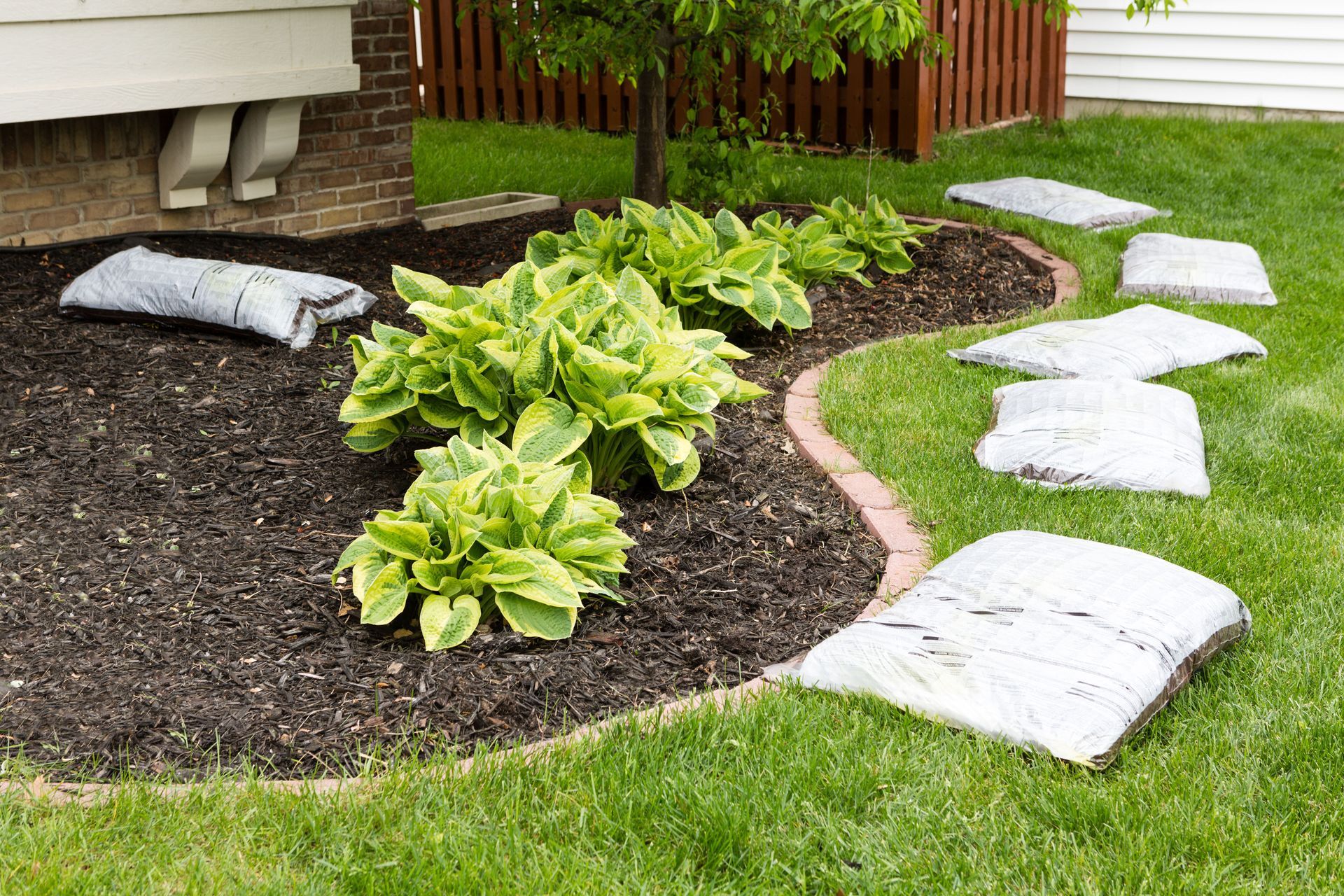
Creating defined garden edges provides both structural and aesthetic benefits. Well-executed edging prevents mulch from spilling into unwanted areas, maintaining neatness and organization. It also helps in controlling soil erosion, ensuring longevity of the mulching material. Edging materials vary from physical barriers like plastic or metal to natural solutions like stone or wood. Establishing proper edges contributes positively to both form and function in garden design.
Proper layering of mulch is fundamental to its effectiveness, regardless of the type of mulch supplies chosen. Begin with an even base layer, adjusted according to the garden's moisture needs and plant variety. The correct thickness encourages both moisture retention and air circulation, critical for root health. Overlapping layers in uneven spots create homogeneity, balancing aesthetics and functionality. Achieving consistent layering maximizes mulch efficiency and garden appearance.
Uniform mulch coverage is vital in delivering consistent aesthetics and functional benefits. Even distribution prevents areas of vulnerability where weeds could establish and enables uniform soil temperature control. Taking care to distribute with a rake or by hand ensures evenness across diverse garden sections. Additionally, maintaining level surfaces facilitates excess water drainage, reducing unwanted pooling. Even mulch application presents an organized, vibrant garden.
Keeping mulch away from plant stems is crucial to prevent rot and pest infestation. A gap of approximately 1-2 inches allows proper air circulation, reducing moisture buildup directly against the stem. This practice minimizes the risk of fungal growth and pest attraction that can compromise plant health. Regularly inspecting and adjusting mulch positioning maintains this beneficial distance. Ensuring this separation supports plant resilience and longevity.
Maintaining Your Mulched Areas
Ongoing maintenance of mulched areas is critical for preserving their effectiveness and appearance. Regular inspections allow for early detection of issues such as weed growth or mulch degradation. Through timely adjustments and refreshment, the benefits of mulch, like moisture retention and aesthetics, are fully realized. Consistent care ensures enduring curb appeal and garden health.
Pests and diseases can thrive in poor mulch conditions, requiring proactive management. Inspecting for insect presence, especially where mulch meets plants, prevents infestations. Utilizing organic pest control remedies supports both garden health and ecosystem balance. Similarly, awareness of factors promoting disease, like overwatering through mulch, aids in swift prevention of spread. Protection from these threats fosters a vibrant, thriving garden environment.
Mulch often increases soil moisture, but excess can lead to issues like root rot. Ensuring proper drainage and avoiding overwatering are preventative measures against water saturation. Choosing coarse mulch supplies can aid in adequate air circulation and evaporation. Inspection is essential during high rainfall periods to avoid detrimental moisture accumulation. Adapting practices to manage water content under mulch helps maintain a healthy garden environment.
Utilizing composted materials in mulching reflects sustainable gardening practices. Compost enriches soil nutrient levels, enhancing plant growth and promoting a healthy ecosystem. Recycling old mulch supplies into new layers helps reduce waste and maintain soil structure. Regular renewal and rotation keep the garden environment lush and thriving. Sustainable mulching choices contribute to ecological well-being and resource conservation.
Establishing a year-round mulching routine reinforces consistent garden health and curb appeal. By understanding climate requirements and plant needs, homeowners sustain vibrant landscapes. Routine evaluations ensure mulch coverage and depth effectiveness, supporting continual improvement. Adjustments in response to environmental changes maximize mulch benefits throughout the year. An enduring, flourishing garden is achieved through committed, informed maintenance.
Mulching is a transformative practice that significantly enhances your home's curb appeal while contributing to the health of your garden. By understanding the right techniques, choosing suitable materials, and keeping up with maintenance, homeowners can create a stunning and thriving landscape. If you're looking for the right mulch for your property, you need a supplier with an extensive range of top-quality mulch. The Mulch Yard has the perfect landscaping solution for every homeowner's needs; reach out to us today for mulch supplies that will help you create a vibrant, inviting outdoor space year-round.